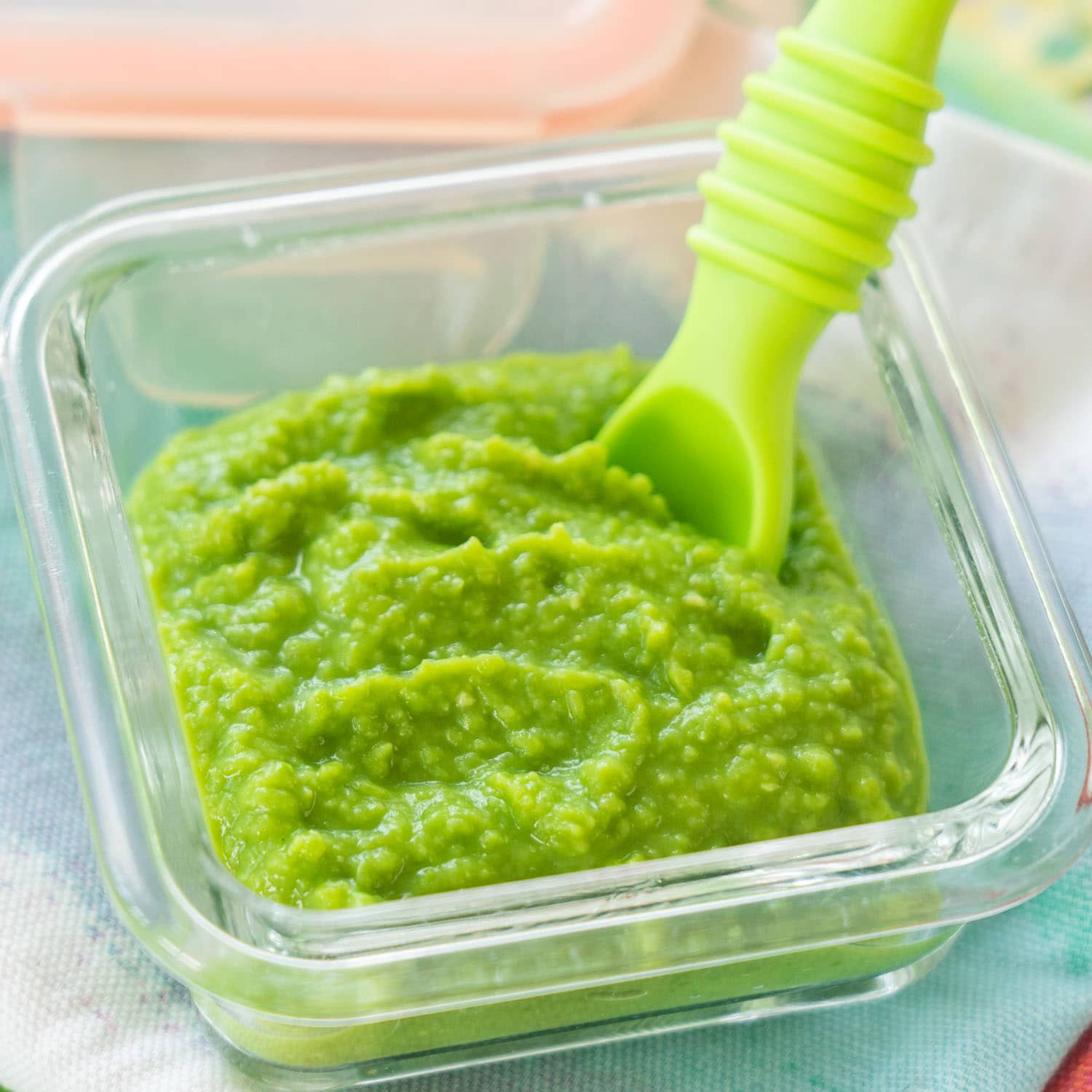
Embrace Wholesome Goodness: Easy Homemade Baby Food Peas for Your Little One
As a parent, providing your baby with the best nutrition is a top priority. However, the cost of store-bought baby food can quickly add up, and you might find yourself wondering exactly what's inside those tiny jars. The good news? Making your own homemade baby food peas is not only incredibly easy, but it also offers significant savings and gives you complete control over your baby's diet. Forget complicated recipes and endless kitchen time – with just a few simple ingredients and an Instant Pot, you can whip up nutritious, fresh pea puree that your baby will love, all while enjoying substantial time and money savings.
Transitioning your little one to solids is an exciting milestone, and introducing single-ingredient purees like peas is a fantastic starting point. Peas are a nutritional powerhouse, packed with essential vitamins, minerals, protein, and fiber, making them an ideal first food. This comprehensive guide will walk you through everything you need to know to create delicious and healthy pea baby food from scratch, ensuring your baby gets the best start possible without breaking the bank.
Why Choose Homemade Baby Food Peas? The Benefits of DIY
The decision to make your own baby food is often driven by a desire for better nutrition, cost savings, and peace of mind. Here's a closer look at why preparing homemade baby food peas is an excellent choice for conscientious parents:
- Significant Cost Savings: Walk down the baby food aisle, and you'll quickly notice how expensive those small containers can be. A single bag of frozen peas, often available for just a few dollars, can yield up to 16 servings of baby food – a fraction of the cost of its store-bought equivalent. Opting for generic brands or even growing your own peas in a garden can further amplify these savings, making healthy eating more accessible for your family budget.
- Uncompromised Nutritional Value: When you make baby food at home, you eliminate unnecessary additives, preservatives, fillers, and added sugars or salts often found in commercial products. Your baby gets 100% pure, wholesome peas, ensuring they receive the full spectrum of vitamins (like A, C, and K), minerals, fiber, and protein these tiny green powerhouses offer. This allows your baby's developing palate to learn and appreciate the natural taste of fresh food.
- Ultimate Control Over Ingredients: Worried about allergens or specific dietary needs? Making your own baby food means you know exactly what goes into every spoonful. You can choose organic peas, ensure proper washing, and avoid ingredients that might concern you, such as common allergens or pesticides.
- Superior Freshness and Flavor: Store-bought baby food often undergoes extensive processing to achieve a long shelf life, which can sometimes diminish flavor and nutritional content. Homemade pea puree, made from fresh or frozen peas cooked quickly, retains its vibrant color, fresh taste, and maximum nutritional punch. This can encourage a more positive experience for your baby as they explore new flavors.
- Environmental Friendliness: Reducing your reliance on single-serving plastic containers and glass jars from commercial baby food helps minimize waste. Batch cooking and storing your purees in reusable containers or ice cube trays is a more sustainable choice for the planet.
Gathering Your Simple Ingredients & Tools for Pea Puree
One of the most appealing aspects of making homemade baby food peas is the minimal ingredient list and equipment required. You truly only need two primary items to get started!
Essential Ingredients:
- Frozen Sweet Peas: This is your star ingredient! Frozen peas are incredibly convenient, available year-round, and are often picked at their peak freshness and flash-frozen, locking in nutrients. There's no need to thaw them before cooking. You can opt for conventional or organic frozen peas based on your preference and budget. A large bag (around 16 ounces) will yield a substantial batch.
- Water: Plain water is all you need to cook the peas and achieve the desired consistency for your puree. Filtered water is a good option, but tap water is perfectly acceptable for cooking.
Necessary Equipment:
- Instant Pot (or Stovetop Pot): While an Instant Pot makes this process incredibly fast and hands-off, a regular pot on the stovetop will also work. The Instant Pot's pressure cooking capabilities are a game-changer for speed and efficiency, especially for busy parents.
- Blender or Food Processor: To achieve that smooth, velvety puree suitable for babies, you'll need a good blender (like a high-speed blender or even an immersion blender) or a food processor.
- Storage Containers: Investing in quality baby food storage containers is crucial for meal prepping. Items like OXO Tot Baby Blocks are fantastic due to their leak-proof seals, stackability, and convenient measurement markings. Alternatively, standard ice cube trays covered with plastic wrap or foil are a budget-friendly and effective way to portion and freeze individual servings.
Step-by-Step Guide: How to Make Homemade Baby Food Peas
Making homemade baby food peas in your Instant Pot is a breeze. Follow these simple steps for a perfect puree every time:
- Prepare Your Instant Pot: Begin by adding your desired amount of frozen peas directly into the Instant Pot insert. There's no need to thaw them beforehand.
- Add Water: Pour in a small amount of water. A general rule of thumb is about ½ to 1 cup of water per 16 ounces of frozen peas, but you can adjust based on your desired final consistency. The Instant Pot creates steam, so you don't need excessive water.
- Cook the Peas: Secure the lid on your Instant Pot, ensure the vent is sealed, and set it to high pressure for 2 minutes. Once cooking is complete, allow for a natural pressure release for 5-10 minutes, then manually release any remaining pressure. If you're using a stovetop, simply boil the peas in a small amount of water until very tender, about 5-7 minutes.
- Blend to Perfection: Carefully transfer the cooked peas and the remaining cooking liquid (this liquid is full of nutrients!) into your blender or food processor. For a smooth, Stage One puree ideal for beginners, blend until completely smooth. If your baby is ready for a slightly thicker texture, use less liquid or blend for a shorter duration. For more detailed guidance on consistency, check out our guide on Nutritious Pea Puree: Simple Stage One Baby Food Recipe.
- Cool and Store: Allow the pea puree to cool completely before transferring it to your chosen storage containers. For immediate use, store in an airtight container in the refrigerator for up to 3 days. For longer storage, spoon the puree into ice cube trays or dedicated baby food freezer blocks and freeze until solid. Once frozen, transfer the cubes into freezer-safe bags, labeling them with the date. Frozen pea puree can be stored for up to 3 months. To learn more about efficient freezing and budget-friendly methods, refer to Make Instant Pot Baby Food Peas: Healthy & Budget-Friendly.
- Serve to Baby: When it's mealtime, simply take out a portion of thawed or refrigerated puree and allow it to come to room temperature or gently warm it. Always test the temperature before feeding your baby.
Expert Tips for Success & Frugal Baby Food Making
Making your own baby food doesn't just stop at peas. Many parents find this journey empowering and cost-effective. Here are some invaluable tips from experienced parents and our own insights to help you succeed:
- Adjusting Consistency: For very young babies (around 4-6 months), a thin, smooth puree is best. As your baby grows and develops, you can gradually reduce the amount of liquid to create a thicker, chunkier texture. You can also mix in breast milk or formula to thin out the puree and introduce a familiar taste.
- Batch Cooking is Your Best Friend: One of the biggest time-savers is to make large batches of puree at once. Dedicate an hour or two on a weekend to cook and blend various fruits and vegetables, then portion and freeze them. This way, you'll have a ready supply of meals throughout the week or month.
- Introduce New Foods Gradually: When introducing any new food, including peas, offer it for 3-5 days consecutively before introducing another new food. This helps you easily identify any potential allergic reactions or sensitivities your baby might have. As Paulette wisely noted, "One new food per week so could check for allergies."
- Combine Flavors (Once Individual Foods are Introduced): Once your baby has successfully tried several single-ingredient purees, you can start experimenting with combinations. Peas pair wonderfully with sweet potato, carrots, green beans, or even a touch of apple for a hint of sweetness.
- Don't Be Afraid to Use Generic: As mentioned, generic or store-brand frozen peas are often just as good as their name-brand counterparts and can significantly contribute to your cost savings. Michele's experience using "fresh veggies from relatives that had gardens" also highlights the value of local and homegrown produce.
- Mashing Table Food: As your baby gets older and their chewing skills develop, don't forget Kathy's excellent tip: "If there weren’t many spices in the food, I mashed up and feed them what we ate." This is a fantastic way to transition to family meals and can be incredibly convenient, assuming the food is appropriate in texture and seasoning.
- Prioritize Safety: Always ensure your purees are cooled completely before storing, especially if freezing. When thawing, do so in the refrigerator, or use a warm water bath. Never refreeze thawed baby food.
- Stay Hydrated: Make sure your baby continues to drink breast milk or formula alongside solids.
Conclusion: The Rewarding Journey of Homemade Baby Food
Embarking on the journey of making homemade baby food peas is a rewarding decision that benefits both you and your little one. Not only will you see substantial savings in your grocery budget, but you'll also gain the peace of mind that comes from knowing exactly what ingredients are nourishing your baby. With the incredible convenience of the Instant Pot and the simplicity of frozen peas, creating fresh, nutrient-rich purees is easier than ever. From the satisfying act of preparing healthy meals to watching your baby discover new flavors, making your own baby food is a true labor of love. So go ahead, give this easy recipe a try, and savor the moments of providing your baby with the best start to a lifetime of healthy eating.
