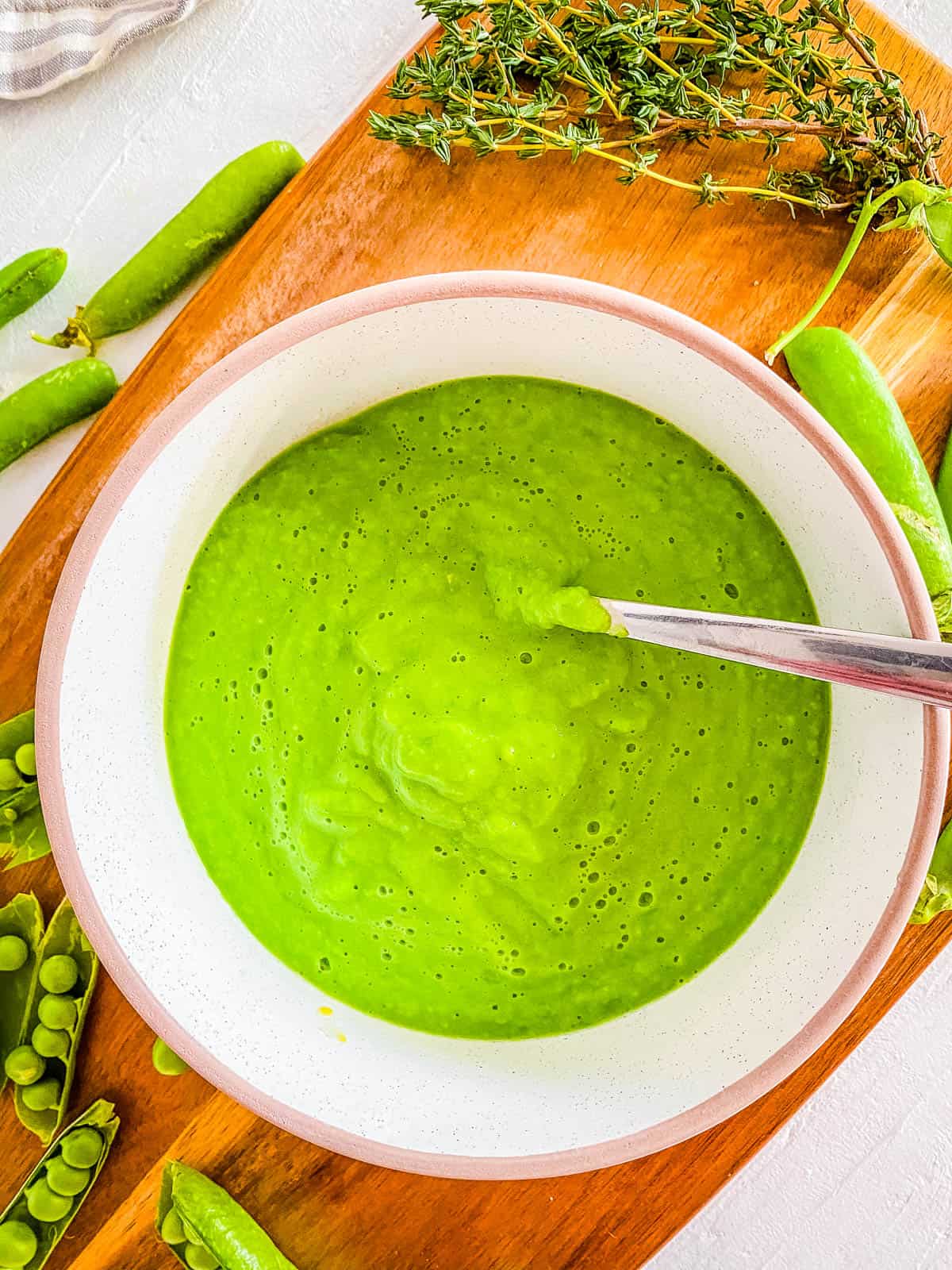
Embarking on the journey of introducing solid foods to your little one is an exciting milestone. As parents, we naturally want to provide the best, most nutritious start possible. While store-bought baby food offers convenience, many families are discovering the incredible benefits of preparing homemade baby food peas right in their own kitchens. It’s not only a healthier option but also remarkably simple and cost-effective, transforming what might seem like a daunting task into an enjoyable part of your parenting routine.
This comprehensive guide will walk you through creating a delicious and nutritious pea puree, perfect as a Stage One food for your baby. You’ll learn how to leverage simple ingredients and kitchen tools to whip up batches of fresh, wholesome Easy Homemade Baby Food Peas that Save Time & Money, proving that homemade doesn't have to mean complicated.
Embracing the Wholesome Goodness of Homemade Baby Food Peas
The idea of making your own baby food might conjure images of elaborate kitchen setups and hours spent chopping. However, when it comes to homemade baby food peas, the reality is wonderfully different. It's an incredibly straightforward process, especially when using convenient methods like the Instant Pot or a simple stovetop steam.
Beyond the ease of preparation, there are compelling reasons why homemade truly shines:
- Unbeatable Freshness: You control the quality of ingredients, ensuring your baby receives the freshest possible nutrients without any preservatives or additives.
- Significant Cost Savings: Baby food pouches and jars can be surprisingly expensive. By purchasing a bag of frozen peas, you can yield many more servings for a fraction of the cost. This is a game-changer for budget-conscious families.
- Nutrient Retention: Preparing fresh ingredients and gently cooking them helps retain vital vitamins and minerals that can sometimes be diminished in heavily processed foods.
- Taste Exploration: Introducing your baby to the natural, mild flavors of vegetables helps them develop a healthy palate from an early age, fostering a love for whole foods.
Many parents find immense satisfaction in knowing exactly what goes into their baby's food. This control is invaluable, especially when navigating potential allergies or dietary restrictions.
Why Peas are the Perfect Stage One Choice for Your Little One
When selecting your baby's first solid foods, nutrient density, mild flavor, and easy digestibility are key. Peas tick all these boxes, making them an ideal Stage One food, typically suitable for infants around 4-6 months (always consult your pediatrician before introducing new foods).
The Nutritional Powerhouse in a Pod
Don't let their small size fool you; green peas are packed with essential nutrients vital for your baby's growth and development:
- Protein: Essential for building and repairing tissues.
- Fiber: Promotes healthy digestion and can help prevent constipation, a common concern when starting solids.
- Vitamins: Rich in Vitamin K (important for blood clotting), Vitamin C (an antioxidant that supports the immune system), and various B vitamins (crucial for energy metabolism).
- Minerals: A good source of iron (important for oxygen transport, especially as baby's natural stores begin to deplete), magnesium, and zinc.
- Antioxidants: Help protect the body's cells from damage.
A Gentle Introduction to Solids
Peas offer a naturally sweet and mild flavor profile, making them very appealing to tiny taste buds. Their smooth texture when pureed is easy for babies to swallow and digest, reducing the risk of gagging or discomfort. Introducing single-ingredient purees like peas allows you to monitor for any potential allergic reactions before combining foods, offering peace of mind.
Your Simple Step-by-Step Guide to Homemade Baby Food Peas
Creating your own homemade baby food peas is surprisingly straightforward. All you need are a couple of basic ingredients and a few kitchen tools. We'll focus on the efficiency of the Instant Pot, but stovetop instructions are also included for your convenience.
What You'll Need:
- Ingredients:
- One large bag (16-ounce or more) of frozen sweet peas (generic brands work perfectly and save even more money!)
- Water (filtered is preferred, but tap water is fine if safe for drinking)
- Equipment:
- Instant Pot (for super-fast cooking) OR a saucepan with a steamer basket
- High-speed blender or food processor
- Spatula
- Storage containers (ice cube trays, baby food freezer trays, or small airtight containers)
Instant Pot Method for Pea Puree:
Using an Instant Pot makes the process incredibly efficient, locking in nutrients and flavor with minimal effort. If you're looking for more details on this method, check out our guide on how to Make Instant Pot Baby Food Peas: Healthy & Budget-Friendly.
- Add Peas and Water: Place your desired amount of frozen peas directly into the Instant Pot. Add enough water to just cover the peas, usually about 1/2 to 1 cup for a 16-ounce bag.
- Pressure Cook: Seal the Instant Pot lid and set the valve to sealing. Cook on High Pressure for 1-2 minutes. Once cooking is complete, perform a quick release of the pressure.
- Transfer to Blender: Carefully transfer the cooked peas and the remaining cooking water into your blender or food processor. The cooking water is valuable as it contains water-soluble nutrients and helps achieve the desired consistency.
- Blend to Perfection: Pulse or blend the peas until they reach a smooth, creamy puree. For a thinner consistency, add a little more water (or even breast milk/formula). For a thicker puree, use less liquid. Blend until absolutely smooth for Stage One babies to prevent choking hazards.
Stovetop Steaming Method:
- Steam Peas: Place frozen peas in a steamer basket over 1-2 inches of boiling water in a saucepan. Cover and steam for 5-7 minutes, or until the peas are tender and bright green.
- Retain Liquid: Reserve a small amount of the steaming water – about 1/4 to 1/2 cup – before transferring the peas.
- Blend: Transfer the steamed peas to a blender or food processor. Add the reserved steaming water gradually, blending until you achieve a smooth puree.
Maximizing Convenience: Storage and Meal Prep Tips
One of the greatest advantages of making homemade baby food peas is the ability to batch cook and prepare meals for the entire week, or even longer! This saves precious time and ensures you always have a healthy option readily available.
Refrigerator Storage:
Once your pea puree is made, allow it to cool completely. Transfer individual portions into small, airtight containers. The puree will stay fresh in the refrigerator for up to 3 days. This is perfect for daily feeding or for mixing with other purees.
Freezer Storage for Long-Term Freshness:
For longer storage, the freezer is your best friend. This method is ideal for making large batches.
- Ice Cube Trays: Pour the cooled pea puree into clean ice cube trays. Each cube typically holds about 1 ounce, making portion control effortless.
- Baby Food Freezer Trays: Specialized baby food freezer trays with lids and individual compartments are also excellent for this purpose. Many even have measurement markings.
- Freeze Solid: Once the puree is frozen solid (usually after 4-6 hours), pop the frozen cubes out and transfer them into labeled freezer-safe bags. Be sure to label with the date and contents.
- Storage Duration: Frozen pea puree can be stored in the freezer for up to 1-2 months.
Thawing and Serving:
When it’s time to feed your baby, simply pull out the desired number of frozen cubes. You can thaw them in the refrigerator overnight, gently warm them in a small saucepan on the stovetop, or use a bottle warmer. Always ensure the food is warmed to a safe, lukewarm temperature and stirred thoroughly before serving to prevent hot spots. Never refreeze thawed baby food.
Beyond the Basics: Tips for Success and Nutritional Insights
Making homemade baby food peas is just the beginning! Here are some additional tips to ensure a successful and nutritious experience for both you and your baby:
- Consistency is Key: For Stage One, aim for a very smooth, lump-free puree. As your baby grows and develops, you can gradually introduce thicker textures with small, soft lumps. Don't be afraid to experiment with adding a little more liquid (water, breast milk, or formula) to get the perfect consistency for your baby.
- Introduce One Food at a Time: When starting solids, it’s best to introduce new single-ingredient foods like peas for 3-5 days before introducing another new food. This allows you to easily identify any potential allergic reactions or sensitivities.
- Keep it Plain: For Stage One purees, avoid adding any salt, sugar, or spices. Let your baby’s palate explore the natural flavors of the food. As they get older and accustomed to a variety of tastes, you can begin to introduce mild herbs or spices.
- Listen to Your Baby: Pay attention to your baby’s cues. If they turn away or show disinterest, don't force it. Sometimes it takes multiple exposures to a new food before a baby accepts it. Try again another day.
- Consider Organic: While not strictly necessary, choosing organic peas can further reduce exposure to pesticides. However, conventional frozen peas are still a highly nutritious and safe option.
- Growing Your Own: If you have a garden, growing your own peas is an incredibly rewarding and cost-effective way to source ingredients for your baby's food.
- Creative Combos (Later Stages): Once your baby is comfortable with peas, you can start combining them with other purees like carrots, sweet potatoes, or even finely pureed chicken for a more complex meal.
The journey of feeding your baby homemade food is a rewarding one. It provides a unique opportunity to nourish your little one with love, wholesome ingredients, and the satisfaction of knowing you're giving them the very best start.
Conclusion
Making homemade baby food peas is a testament to how simple, nutritious, and cost-effective baby feeding can be. From understanding the superior benefits of a fresh, homemade approach to mastering the quick Instant Pot method and smart storage solutions, you now have all the tools to provide your baby with a delicious and wholesome Stage One food. Embrace the ease, enjoy the savings, and delight in watching your little one explore the wonderful world of natural flavors with every spoonful of your lovingly prepared pea puree.
